Gender Justice and Social Inclusion Programme
Promoting Equality, Inclusion and Human Rights in Rural Communities
Teenagers and Youth Health of South Africa (TYHSA) implements a Gender Justice and Social Inclusion Programme that seeks to address gender inequalities and harmful social norms that continue to affect women, girls, and marginalized groups in rural communities. The programme recognizes that while both men and women face social and economic challenges, women and girls often experience greater vulnerability due to deeply rooted patriarchal systems, cultural practices, religious beliefs, gender stereotypes, economic dependency, and unequal access to opportunities and decision-making processes.
Through this programme, TYHSA works to promote a balanced and inclusive society where women, men, girls, boys, and people of diverse sexual orientations and gender identities are treated with dignity, respect, and equality. The programme encourages communities to examine traditional norms and practices that may contribute to discrimination, exclusion, violence, and unequal power relations while promoting positive cultural values that support human rights and social justice.
Working in Rural Communities
TYHSA primarily implements this programme in rural and underserved communities where access to information, support services, and opportunities is often limited. In many of these communities, women and girls face challenges such as Gender-Based Violence, child and forced marriages, unequal educational opportunities, economic exclusion, limited participation in leadership structures, and discrimination based on gender and sexuality.
The programme creates safe and inclusive spaces where community members can openly discuss sensitive issues affecting their lives and collectively identify solutions that promote equality and social cohesion.
Community Education and Awareness
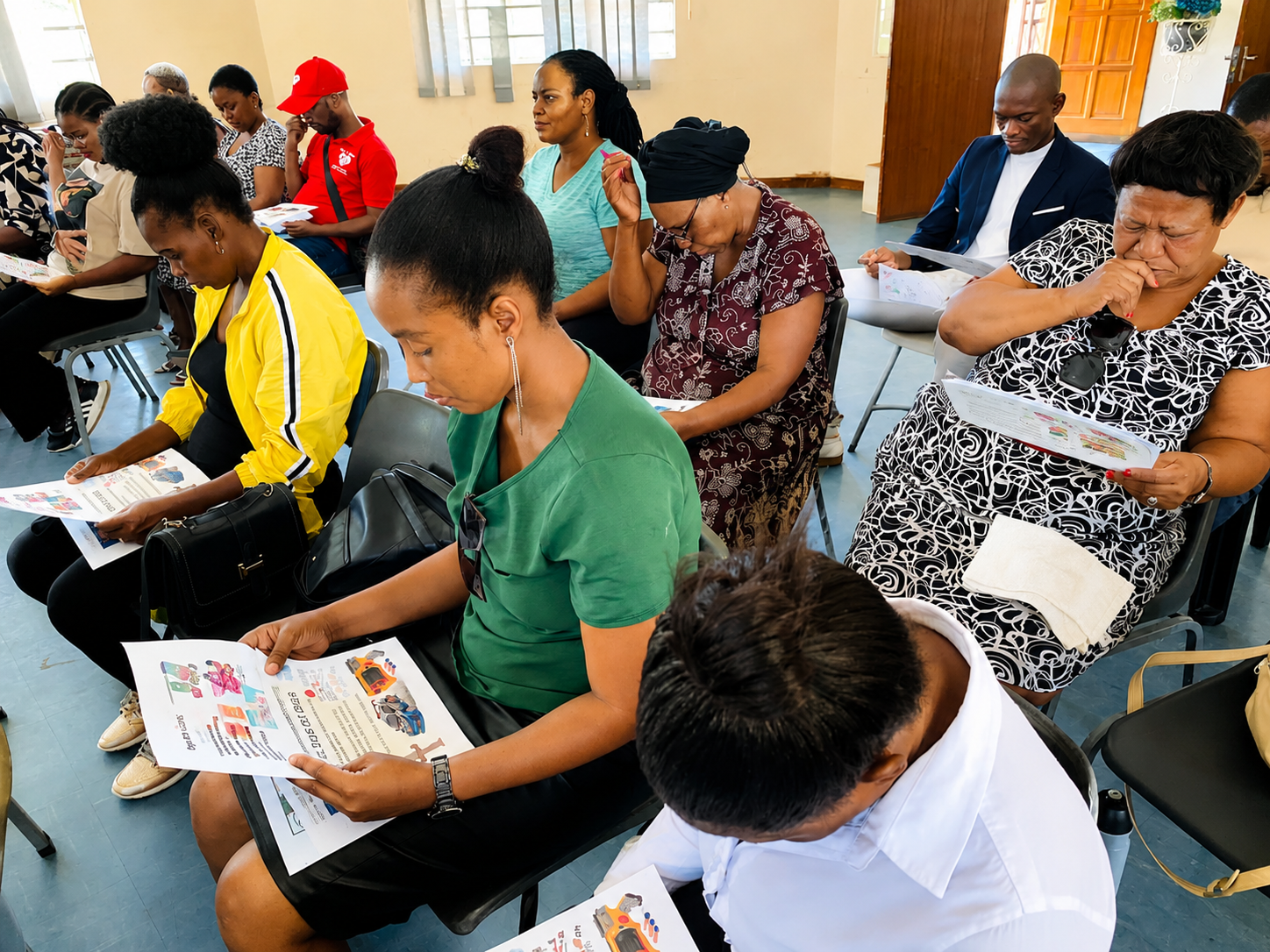
A key component of the programme is community education and awareness raising. TYHSA conducts awareness campaigns, educational workshops, community dialogues, stakeholder engagements, and public discussions that help community members better understand:
- Gender equality and gender justice
- Human rights and constitutional rights
- Gender-Based Violence and Femicide
- Healthy relationships and consent
- Sexual and reproductive health and rights
- Positive masculinity and male involvement
- Diversity and social inclusion
- Sexual orientation and gender identity
- Prevention of stigma and discrimination
- Women's rights and empowerment
- Youth participation and leadership
Through these activities, communities gain a deeper understanding of the barriers that prevent equality and the actions required to create safer and more inclusive environments.
Sexuality and LGBTQI+ Inclusion
TYHSA believes that every person deserves to live free from discrimination, violence, stigma, and exclusion. As part of our sexuality education and human rights work, the programme provides information and education on sexual orientation, gender identity, gender expression, and sex characteristics.
The programme promotes understanding and acceptance of LGBTQI+ individuals while addressing myths, misconceptions, prejudice, and discrimination that often exist within communities. Through community dialogues and educational sessions, TYHSA encourages respectful conversations that promote human dignity, inclusion, and equal access to services for all people regardless of their sexual orientation or gender identity.
Research, Community Voices and Evidence Gathering
The programme does not only provide education but also seeks to understand the realities experienced by communities. TYHSA regularly collects information through community consultations, stakeholder engagements, focus group discussions, surveys, dialogues, and community feedback mechanisms.
This information helps identify key gender-related challenges, harmful practices, service gaps, and emerging issues affecting women, girls, men, boys, and LGBTQI+ individuals. The findings are used to strengthen advocacy efforts, inform community interventions, and contribute to evidence-based decision-making.
Stakeholder Engagement and Partnership Building
TYHSA recognizes that achieving gender justice requires collaboration among multiple stakeholders. The programme therefore works closely with:
- Community members
- Traditional leaders and traditional councils
- Religious and faith-based leaders
- Community gatekeepers
- Civil society organisations
- Women's organisations
- Youth organisations
- Schools and educational institutions
- Government departments
- Healthcare providers
- Human rights institutions
- Community forums and local structures
- National and international partners
Traditional and religious leaders play a particularly important role in helping communities reflect on cultural and religious practices while identifying opportunities to promote equality, protection, and inclusion within their respective communities.
Key Activities
- Community awareness campaigns
- Gender justice dialogues
- Human rights education sessions
- Sexuality and diversity awareness workshops
- LGBTQI+ inclusion dialogues
- Community consultations and research activities
- Stakeholder engagement meetings
- Capacity-building workshops
- School-based awareness programmes
- Advocacy and social mobilisation campaigns
- Traditional and religious leader engagements
- Community feedback and evidence-gathering processes
Impact
Through this programme, TYHSA is contributing towards changing attitudes, increasing awareness, strengthening community dialogue, promoting inclusion, and empowering vulnerable groups to claim their rights. By working with communities, traditional leaders, religious leaders, civil society organisations, and government stakeholders, the programme helps build more equitable, inclusive, and socially just communities where everyone can participate fully and live with dignity and respect.
Our Vision
To create rural communities where women, men, girls, boys, and people of all sexual orientations and gender identities enjoy equal rights, opportunities, protection, participation, and respect, regardless of their background, culture, religion, or social status.